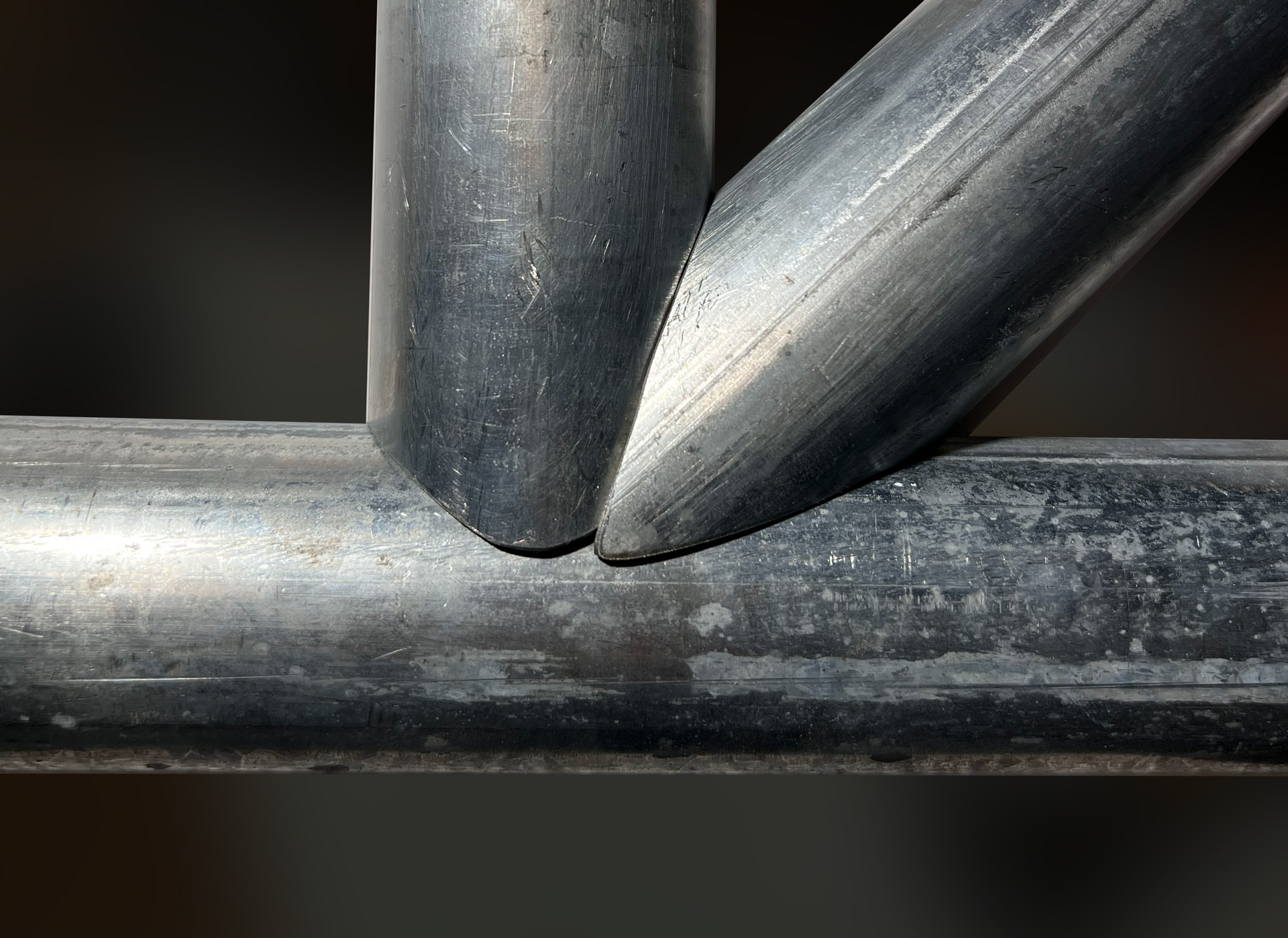
What is Pipe Coping?
Also known as notching, saddle cuts, or fish mouth cuts, pipe coping is the process of cutting a profile into the end of a pipe so that it fits precisely against another pipe or surface. This technique is essential in metalworking, plumbing, and structural fabrication where pipes need to intersect or join at various angles.
Pipe vs Tube
This article refers to the structural members as "pipes." In many cases, the word "tube" could be used interchangeably, but they are not the same, and the distinction should be understood.
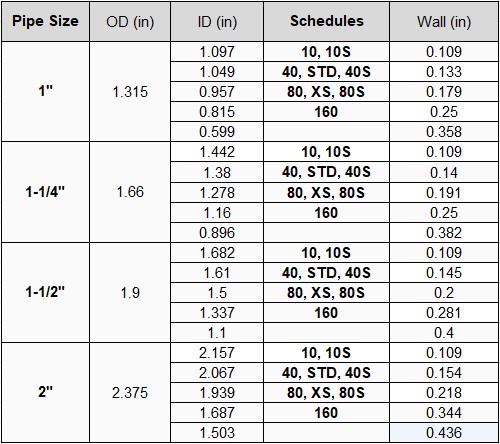
Pipes are designed to handle internal pressure for carrying fluids or gases. Pipes are always round and are typically designated by Nominal Pipe Size (NPS), which is not equal to the exact physical diameter measurement for pipes smaller than 12” Inner Diameter (ID) or Outer Diameter (OD). For example, a 2” pipe has an OD of 2.375”. For pipes larger than 14”, the NPS equals the OD. Wall thickness of pipes is specified by the pipe schedule. For example, a 2”, Schedule 40 pipe has an ID of 2.067” (wall thickness of .154”).
Tubes are designed for structural applications like roll cages, frames, or machinery. Unlike pipes, tubes are made in other shapes like square, rectangular, or oval, so terms like "square tube" are common. Tubes are made with tight tolerances because structural strength is important, and are measured by the exact OD and wall thickness. A 2” tube is exactly 2” across the OD.
Why is Coping Important?
Proper pipe coping is crucial for several reasons:
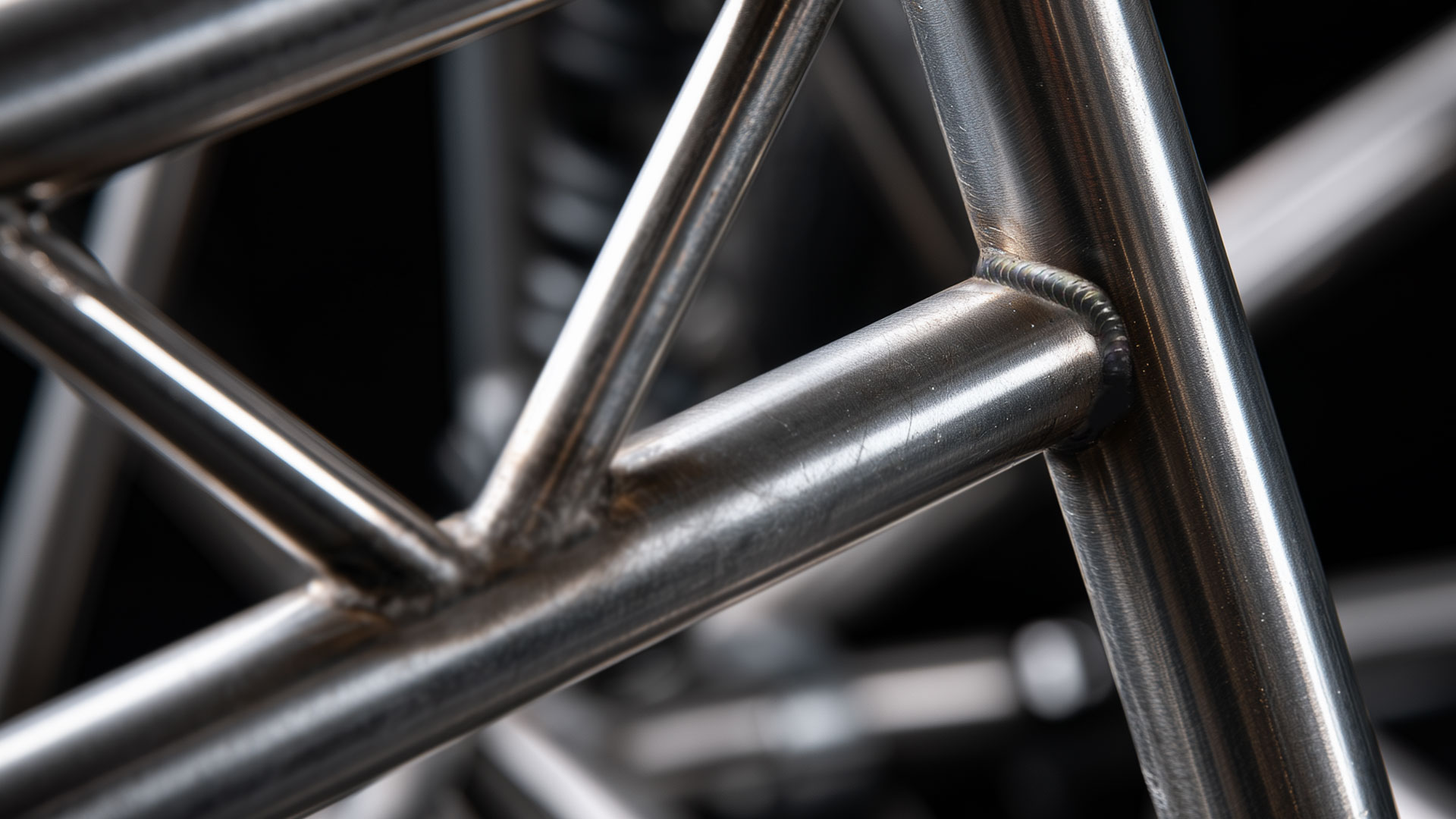
- Structural Integrity: Accurate copes ensure maximum contact area for welding, creating stronger joints.
- Professional Appearance: Clean, precise copes look professional and indicate quality workmanship.
- Welding Efficiency: Good copes are easier to weld and require less filler material.
- Leak Prevention: In pressure systems, proper coping ensures leak-free joints.
- Code Compliance: Many building and welding codes require proper pipe coping for structural applications.
Common Coping Methods
1. Tube Notcher
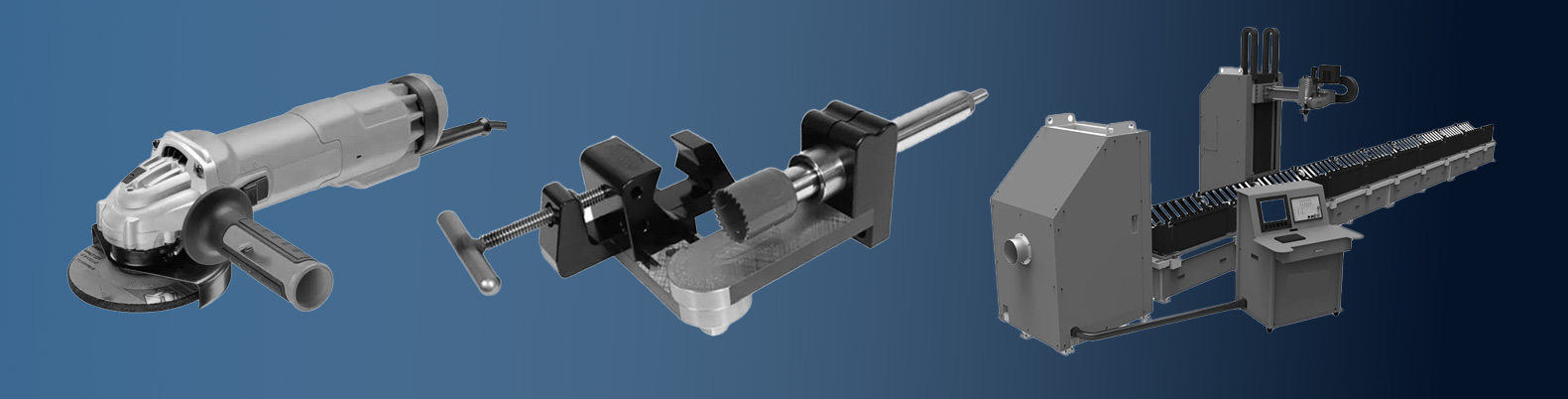
A tube notcher is a handy tool specially designed to make notching easier. They are a staple in most tube fabrication shops and, combined with a collection of various diameter hole saws, can handle most joints.
Tube notchers cost anywhere from a couple hundred to over $500, with the higher-priced units providing better rigidity, precision, and angle control.
Note: Since most tube notchers cut with a circular hole saw, they do not compensate for wall thickness. An angle grinder is used to grind off thin sections. See the "Wall Thickness Considerations" section below.
2. Manual Layout and Cutting
Manual layout without a template is probably the most time-consuming method, but it can achieve very good results. Experienced fabricators make this method look easy. It typically involves taking several measurements at different clock positions around the pipe and using a flexible tape to draw the cut curve.
Once marked, the pipe can be cut using an angle grinder, plasma cutter, or oxy-fuel torch.
3. Coping Templates
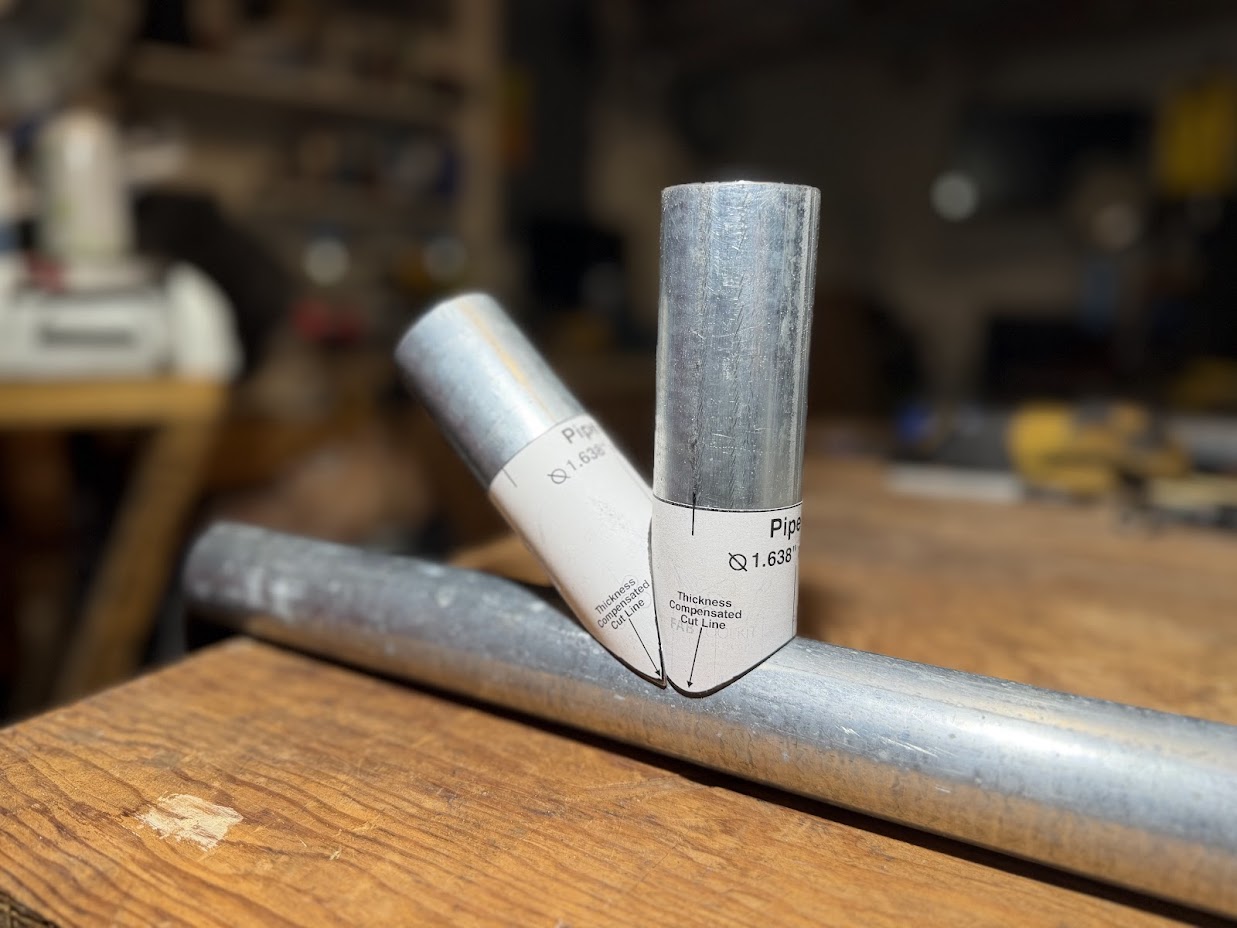
Digital tools can generate precise templates that are printed, cut out, and wrapped around the pipe to create an accurate cutting guide. This method:
- Produces highly accurate results
- Requires minimal specialized equipment
- Works well for one-off projects
- Allows for complex geometries
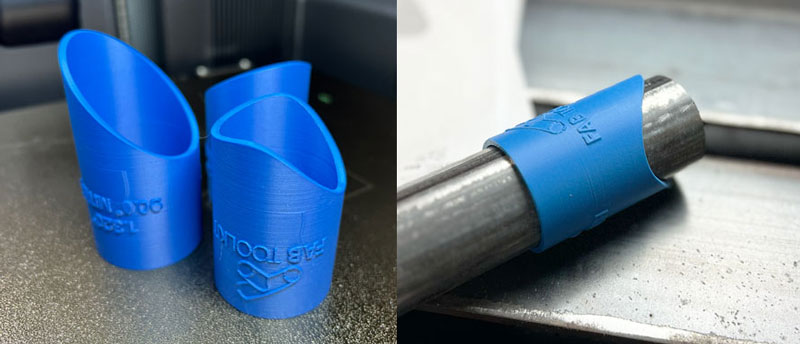
Along with paper templates, 3D printed or metal templates can be purchased. FabToolkit PRO (paid subscription) users can generate custom 3D printed templates for a more durable, repeat-usable, custom template.
Try Our Pipe Coping Template Generator
Generate precise, full-scale templates for any pipe intersection in seconds. Perfect for fabricators, welders, and DIY enthusiasts.
Launch Free Tool4. CNC Pipe Cutting Machines
For production work, CNC machines can cut perfect copes automatically (typically laser or plasma cut). These machines are ideal for high-volume work but require significant investment.
Understanding Pipe Angles
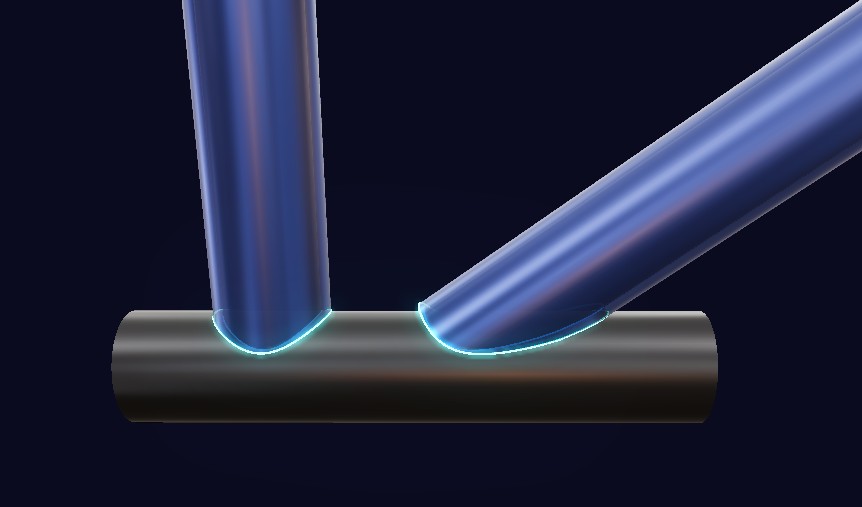
The angle at which pipes intersect significantly affects the coping process:
- 90-degree (perpendicular) intersection: The most common and simplest to cope
- Other angles: Create longer, more elliptical and complex copes
Wall Thickness Considerations
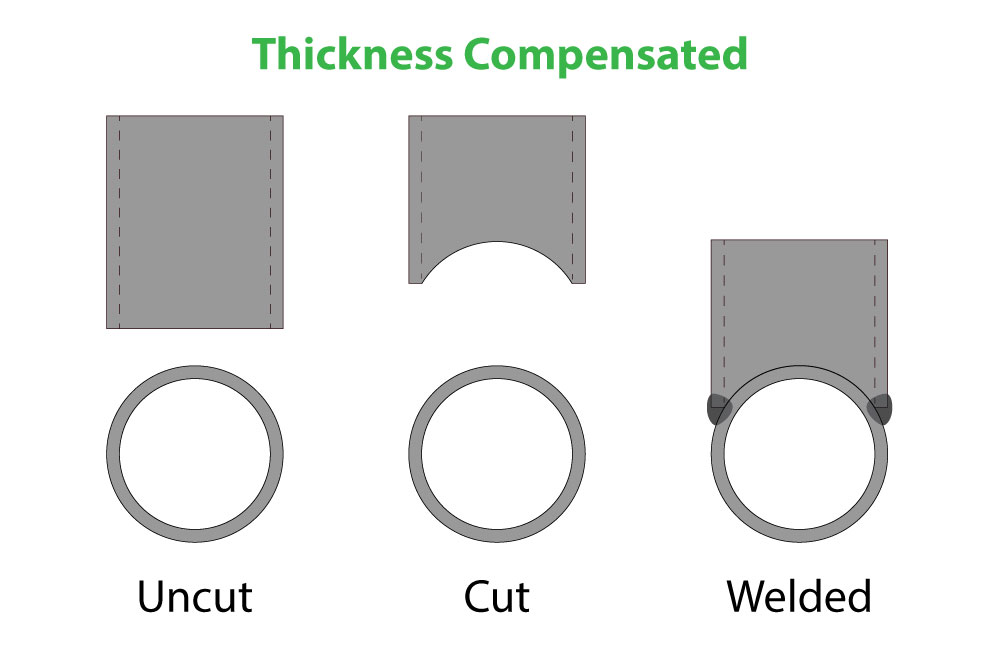
As any welder knows, material thickness greatly affects the welding process. When welding a coped pipe joint, thickness continuity is important. When using a tube notcher, thin sections are left on the side of the cut. If welded as-is, the weld is only penetrating the thin material, which makes it a less than ideal joint. This is most critical when joining the same diameter pipe.
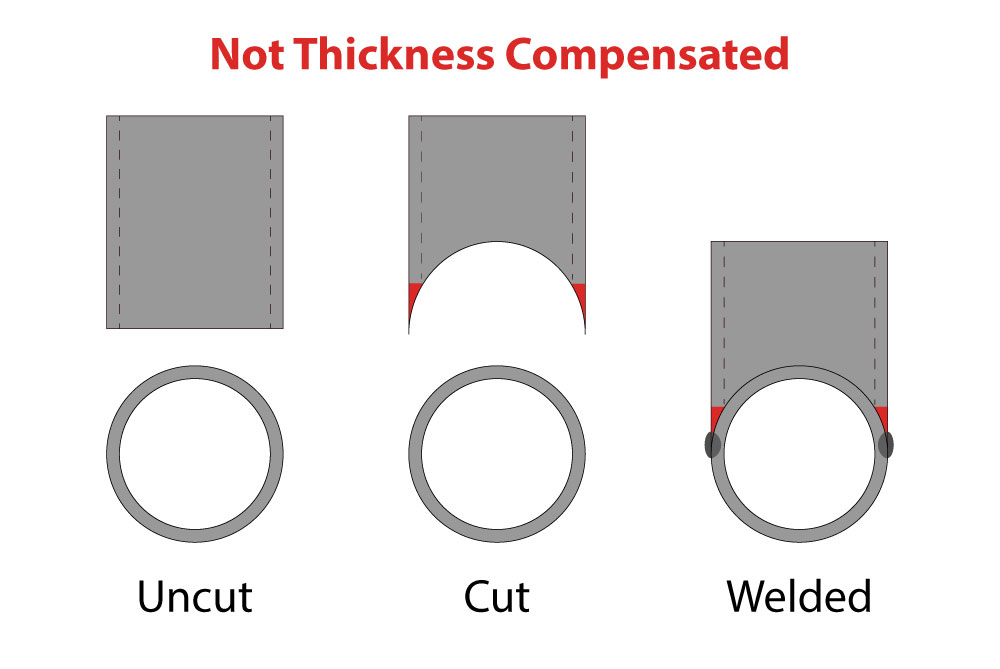
When compensating for the wall thickness, the notch shape changes to a more rounded shape. This shape keeps the thickness consistent all the way around the cope/notch.
Best Practices for Pipe Coping
- Measure twice, cut once: Always verify your measurements and angles before cutting.
- Cut slightly proud: It's easier to grind away excess material than to fill gaps. Take your time and get the cuts right.
- Clean the cut edges: Remove burrs and sharp edges before welding.
- Consider access for welding: Ensure your cope allows adequate access for the welding torch, or future weld beads.
- Use a template: Template generators like the FabToolkit Coping Template Generator help reduce the stress of tricky coped joints.
Common Mistakes to Avoid
- Not accounting for pipe wall thickness in the calculations
- Using templates that weren't generated at the correct scale
- Cutting too fast and creating rough, uneven edges
- Ignoring the rotation/orientation of the intersecting pipe
- Failing to mark the orientation clearly before cutting
3D Assembly Planning with FitUp
For complex projects with multiple coped joints, planning each cut individually can get tedious and error-prone. FitUp Assembly Builder takes a different approach — you lay out the full tube assembly in 3D, and it automatically calculates every cope template, miter cut, tube length, and bend location for the entire project at once.
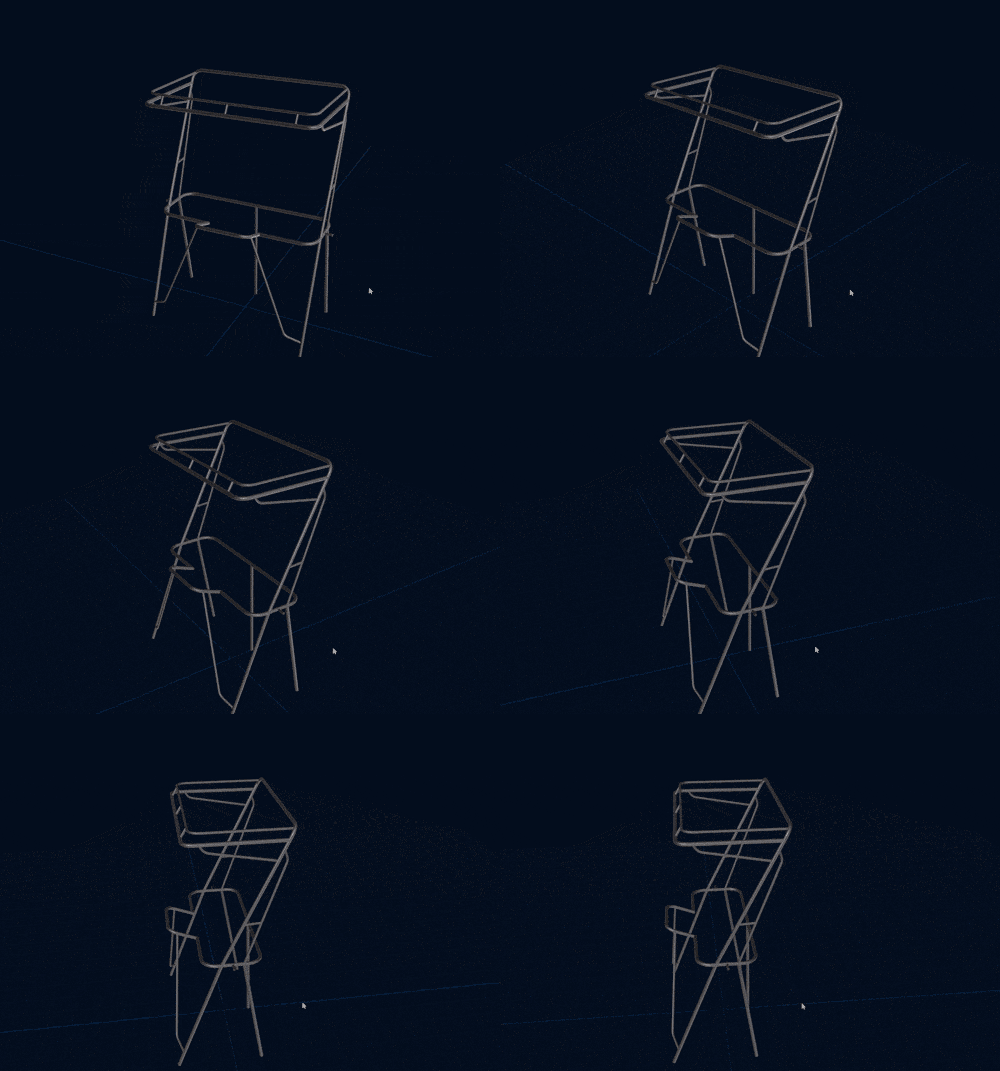
This is especially useful for multi-branch frames, roll cages, and handrails where many tubes meet at different angles. Instead of measuring and re-measuring each joint, you model the assembly once and print a complete build packet ready to take to the shop.
- See exactly how every tube fits before the first cut
- Automatically generates cope templates for every branch joint
- No CAD experience required — works directly in the browser
- Try FitUp Assembly Builder →
Conclusion
Mastering pipe coping is an essential skill for anyone working with pipes and tubular structures. Whether you're cutting a single 90° joint by hand or planning a full tube frame, understanding the principles and using the right tools makes the difference between a tight weld and a frustrating gap.
Modern digital tools — from printable templates to full 3D assembly builders — have made precise coping accessible to any fabricator, regardless of experience level.
Next Steps:
- Generate a template now: Pipe Coping Template Generator
- Plan a full assembly: FitUp 3D Assembly Builder
- Step-by-step tutorial: How to Cope Pipe With Printable Templates
- Avoid common errors: Pipe Notching Mistakes Beginners Make
Ready to Start Coping?
Use our free pipe coping template generator to create precise, full-size templates for any pipe size and angle.
Generate a TemplatePlanning a Full Tube Assembly?
FitUp calculates every cope, miter, and bend for your entire project at once — then generates a complete build packet ready for the shop.
Try FitUp Free